Creator Guide

How DMCA Takedowns Work for OnlyFans Leaks

A step-by-step guide to filing DMCA takedowns for OnlyFans leaks — from identifying infringing content to escalating non-compliant hosts.

Content protection shield

1. What is a DMCA takedown?

A DMCA (Digital Millennium Copyright Act) takedown is a formal request to remove infringing content from the internet. When someone leaks your OnlyFans content without permission, copyright law gives you the right to demand its removal — and platforms are legally required to comply.

2. Why DMCA takedowns matter for OnlyFans creators

Leaks cost creators income, violate their privacy, and can appear in search results for years if left unchallenged. A properly filed DMCA notice can force Google, leak sites, and file-hosting services to delist or remove infringing content within days.

3. How the process works

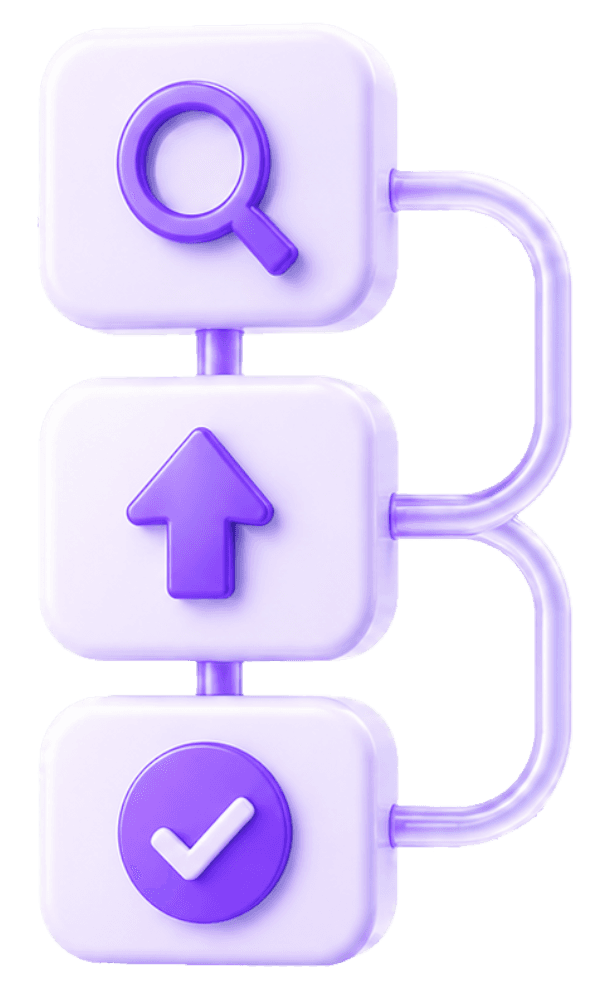
The process begins by identifying where infringing content appears — leak forums, tube sites, piracy databases, and file-sharing platforms. You then establish copyright ownership (which attaches automatically when you create content), draft a compliant DMCA notice with your identity, a description of the work, the infringing URL, and a statement of good faith belief signed under penalty of perjury. Submit it to the platform's designated DMCA agent (listed with the US Copyright Office). Most hosts comply within 24–48 hours. If they don't, escalate to their upstream hosting provider or CDN.

4. What a valid DMCA notice must include

Under Section 512(c)(3), a valid notice requires: your identity (or your agent's), a description of the copyrighted work, the infringing URL, a statement of good faith belief that the use is unauthorized, a statement that the information is accurate under penalty of perjury, and your signature.

5. What DMCA takedowns don't cover

DMCA is a US statute. Hosts outside the US are not legally bound by it, though many comply voluntarily. For truly non-compliant international hosts, escalation may require legal counsel in the host's jurisdiction. DMCA also doesn't directly apply to AI-generated deepfakes unless the deepfake incorporates your actual copyrighted content.

6. The case for automation

Filing manually across hundreds of infringing URLs is unsustainable. Automated DMCA services monitor the web continuously, generate compliant notices, and track outcomes. For most creators, automation is the only practical way to stay ahead of new leaks.

Take back control of your content.

Automate DMCA takedowns and protect your income, privacy, and peace of mind.

Get started
Keep exploring

This guide is general information, not legal advice.
Results vary by platform and host compliance.