Creator Guide

The Take It Down Act: What It Means for Creators

How the Take It Down Act works for creators - 48-hour removal of nonconsensual intimate images and AI deepfakes, and where DMCA still applies.

Content protection shield

1. What is the Take It Down Act?

The Take It Down Act is a US federal law signed in May 2025. It makes knowingly publishing non-consensual intimate imagery (NCII) of an identifiable person a federal crime - and that explicitly includes AI-generated deepfakes, which the law calls digital forgeries. It also puts a removal obligation directly on platforms, which is what makes it practically useful for creators.
2. The 48-hour removal requirement

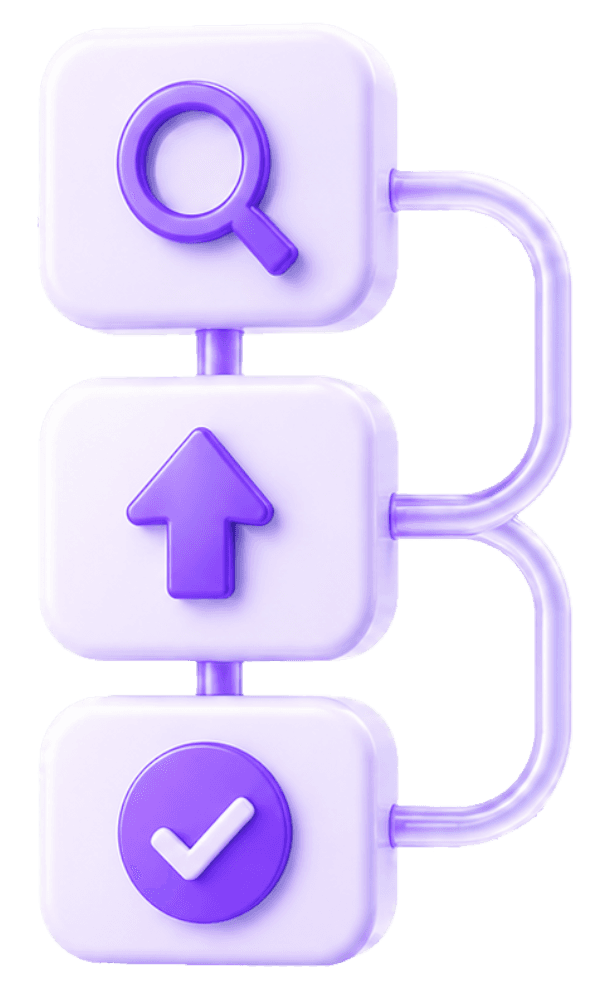
Covered platforms were required to stand up a notice-and-removal process within a year of the law passing, and that deadline has now arrived: when a victim (or someone authorized to act for them) submits a valid request, the platform must remove the reported imagery within 48 hours and make reasonable efforts to remove identical copies. Enforcement falls to the Federal Trade Commission, which treats non-compliance as an unfair or deceptive practice.

3. How it differs from DMCA

DMCA is about ownership - you can file because you own the copyright in the content. The Take It Down Act is about consent - it applies because intimate imagery of you was published without your consent, regardless of who created it or who owns it. There is also no counter-notification put-back process like DMCA has: removal under the Act is not reversed by the uploader swearing they had rights.

4. Deepfakes are squarely covered

The biggest gap in DMCA has always been deepfakes: if an AI-generated video never used your actual copyrighted footage, a copyright notice may not reach it. The Take It Down Act closes that gap. A sexual deepfake of you is removable on a consent basis - you do not need to prove it incorporated your original content.

5. Where it helps creators - and where it doesn't

Be realistic about scope. Content you chose to publish commercially - a paywalled set that leaked - is primarily a copyright problem, and DMCA remains the right tool. The Take It Down Act is strongest for material you never consented to publish at all: private content, hacked material, and every sexual deepfake or digital forgery of you. Most working creators end up needing both tracks.

6. Using both laws together

The practical playbook: document the URL and platform, file the platform's NCII report citing the Take It Down Act's 48-hour removal duty, and file a DMCA notice in parallel wherever you own the underlying content. DeleteMyLeaks runs both tracks automatically - DMCA notices for leaked content you own, NCII reports for deepfakes and non-consensual material - so the faster path always gets used.

Take back control of your content.

Automate DMCA takedowns and protect your income, privacy, and peace of mind.

Get started
Keep exploring

This guide is general information, not legal advice.
Results vary by platform and host compliance.